
Is Youth Wasted on the Young?
“A pity youth is wasted on the young” is a very popular utterance and an enduring quote
from the 1930’s believed to be firstly attributed to George Benard Shaw the Irish playwright
in an interview in the early 1930’s. It captures a universal irony: the peak of physical vitality, energy, and resilience is handed to those who may not yet grasp its full value, squandering it on fleeting and trivial pursuits while older folks, armed with wisdom and appreciation, watch it fade. But what if we could flip the script? What if the later years became a time to reclaim and extend that youthful essence through deliberate action?

Science increasingly shows that consistent exercise in midlife and beyond isn't just about staying fit. it's one of the most powerful anti-aging tools available. It counters muscle loss, improves your hormone profile, preserves mobility, sharpens cognition, boosts mood, and even adds healthy years to life. In short, while youth may be wasted on the young, vitality plus knowledge can be imparted on the old.
Regular physical activity can help you be stronger, more robust, more agile, and more
independent well into your 70s, 80s, and beyond. Effectively maintaining the physical
presence that time tries to take away. The World Health Organisation states that a
sedentary lifestyle is a leading cause of death and disability. I say, “Attitude is Everything”.
Throughout this article I will explore the Core Pillars of Anti-Aging Exercise and how according to experts (from the National Institute on Aging, AARP, Mayo Clinic, and longevity research) a balanced routine with these four key types of movement can reduce your biological age. This isn’t about six-packs or Marathons, its about functional freedom: Physical work if you want to, carrying your own groceries, playing with grandkids, and dancing at a wedding without worrying about your knees. However, we wont rule out getting a six pack and running a marathon if that is what you want.
1. Strength Training: The True Fountain of Youth
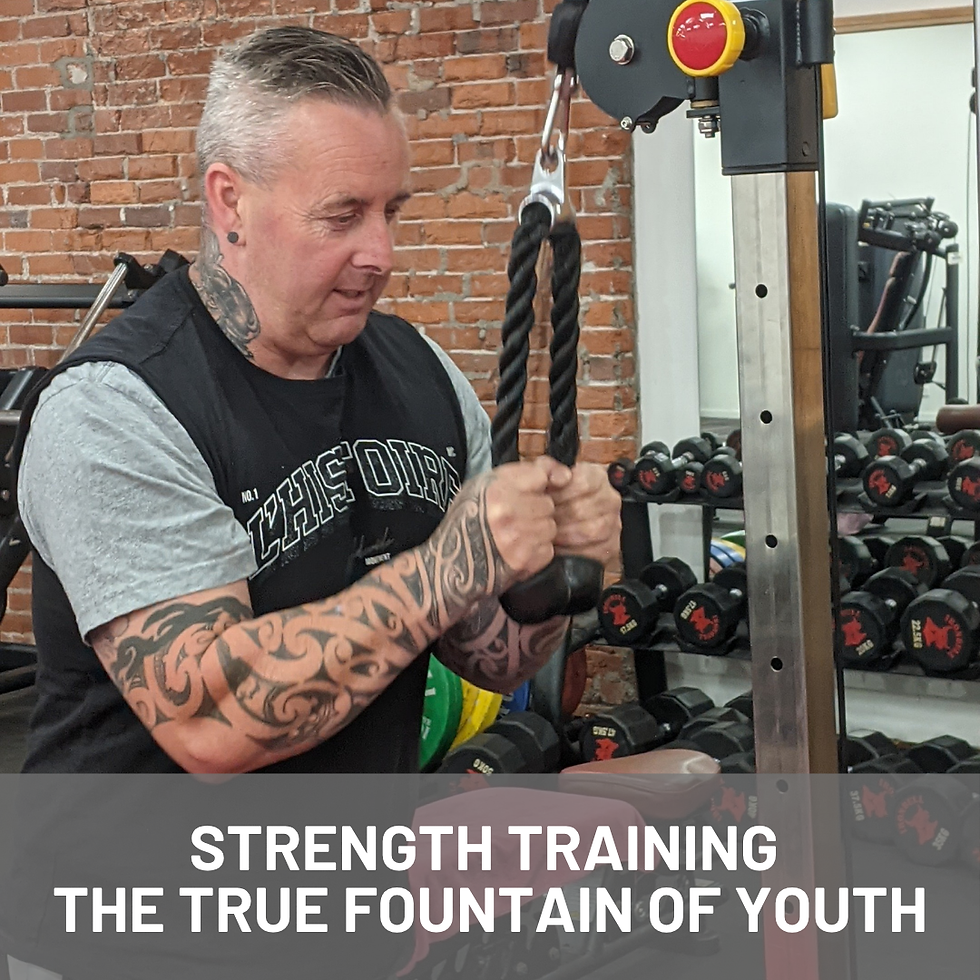
Resistance exercises are often seen as the most important for aging well. They build (or
rebuild) muscle mass, boost metabolism, strengthen bones, improve insulin sensitivity, and
combat frailty. Some of the benefits include reversing sarcopenia (muscle loss), reducing fall risk, enhancing independence (e.g., easier stair-climbing, carrying groceries), and supporting brain health.
A simple pace to start is 2 - 3 sets of 8 - 12 reps, 2 - 3 times a week.
Here is an example of what this could look like:
Chair squats or sit-to-stands.
Wall push-ups or resistance band rows.
Dumbbell (or water bottle) lifts for arms/shoulders.
Focus on progressive overload. In its simplest form this just means start light, and gradually increase your weights and reps.
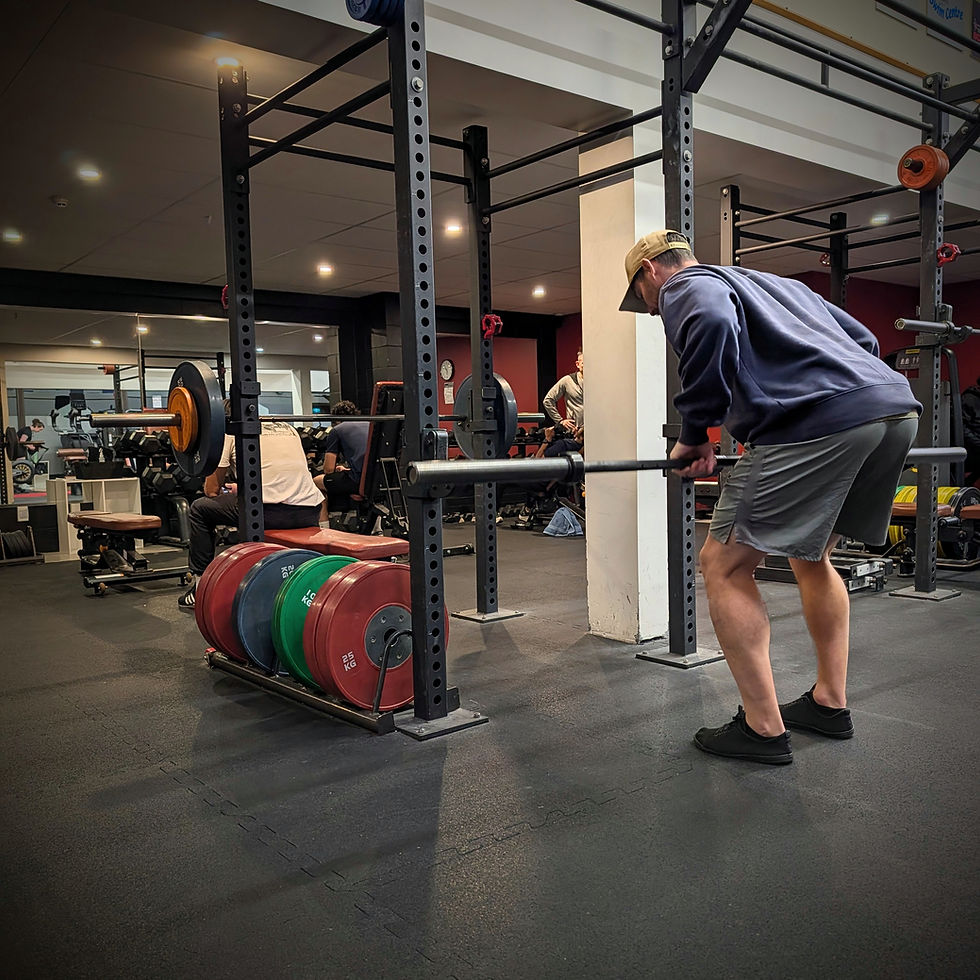
If you have made a real go of it at home and need further resistance Central Fitness is very welcoming and you might by surprised who is already using it!

2. Aerobic Exercise: Keep the Engine Running
Activities that raise your heart rate improve cardiovascular health, lung capacity, energy, and mood. Reducing risks of heart disease, diabetes, and cognitive decline.
Here are some easy and enjoyable options to get started:
Brisk walking (aim for 8,000–10,000 steps daily).
Swimming or water aerobics (low-impact, joint-friendly).
Cycling (e-bike or stationary) , dancing, or aerobic circuit training
3. Balance Work: Because falling at any age isn’t a good look
Falls are a major threat to independence as we age. The good news is balance training dramatically lowers that risk.
Here are some quick daily drills that you can introduce to help:
Single-leg stands (hold 10–30 seconds per side, near a chair for support).
Heel-to-toe walking along a line
Tai Chi or yoga poses (e.g., tree pose).
Bonus: These often double as flexibility work.

4. Flexibility and Mobility can Help you Move Like You Used To
Joints get used to move only in the range it is used day in and day out so, if its a small
range then this becomes the norm. Stretching keeps joints supple and able to reach greater ranges. Regular stretching reduces stiffness and supports better posture and injury
prevention.
Here are some daily routine ideas:
Gentle stretching routine involving standing and kneeling positions done once a day
Main focus - shoulders, hips, and hamstrings! These are what steals that youth full posture and lithe stride
Dynamic moves like arm circles or hip circles (not if its artificial) can retore blood flow to important tissue of the body

Getting Started (and Sticking With It)
Here are some great tips to help you get started and hopefully make it easier to stick with your new habits long term.
Start small:
Even 15 minutes a day counts. Build up gradually, no need to go for the hero dose straight away.
Make it enjoyable:
Walk with friends, join a senior movement class such as our Back to Movement or try
low-impact options like water exercise.
Safety first:
Consult a doctor before starting, especially with existing medical conditions. Warm up, cool down, and listen to your body.
Track your progress:
Note how you feel. Have you got more energy, are you sleeping better, are your daily tasks easier? These are the real wins.
In the end, the the quote "Youth is Wasted on the Young" reminds us that vitality is precious. But unlike being gifted it in youth, the habits we build later can extend and enhance it. Exercise isn't about turning back the clock its about making every tick count with strength, grace, and independence. The young may have the raw potential, but the wise can master how to keep it burning bright. Keep in mind the famous quote by Clint Eastwood said at 88 years young - “don’t let the old man in”.
You don’t need to become a gym rat or chase your 20-year-old self. You just need to choose
to move and move consistently, joyfully, and safely. Start small, celebrate the wins (more energy, better sleep, easier stairs or the perfect lawn), and watch how the body rewards effort even decades later. Grab those walking shoes, pick up that garden rake or come on down to Central Fitness and prove that the number of candles on your birthday cake mean nothing one deliberate step at a time.


Comments