How to Manage High Blood Pressure
Helping tame high blood pressure through lifestyle, diet and exercise.
High blood pressure (hypertension) is often called the “silent killer” because it can silently
damage your body without obvious symptoms. The good news? You can fight back with two
powerful tools: exercise and a heart-healthy diet. Lets dive into how hypertension harms your body, why its effects differ from exercise, and how lifestyle changes can lower
your blood pressure to keep you thriving.
Hypertension of High blood pressure is defined as a "consistent resting blood pressure
reading of above 130/80". This would be stage 1 hypertension it can elevate further from
there to level 2 and further, which is great cause for concern.

But why does high blood pressure matter?
Bare with me while I try explain, I will share an analogy at the end to help, so stay with me.
High blood pressure places constant stress on the walls of our arteries. As blood flows with excessive force, it pushes against the delicate inner lining of the arteries (called the endothelium). Over time, this continuous pressure causes tiny tears, inflammation, and endothelial dysfunction, which reduce the production of nitric oxide, a molecule that helps keep arteries flexible and healthy.
The damage is often worse at points where arteries bend or branch, since blood flow becomes more turbulent in these areas. When the artery lining is damaged, LDL cholesterol (the “bad” cholesterol) can more easily penetrate and stick to the arterial wall. Other cells including our white blood cells and smooth muscle cells move to the site, followed closely by calcium deposits. Over time, these fatty plaques harden and calcify, causing the arteries to narrow and lose flexibility. While this calcification can stabilize the plaque, it also makes the artery more prone to rupture.

Now, if you are still with me, well done, time for an analogy ... Think of your arteries like garden hoses. When the water pressure is normal, the hose stays smooth and flexible. But when pressure is too high for too long, the strong flow starts to wear down the inside, causing tiny cracks. Over time, debris and minerals stick to those rough spots, building up and making the hose stiff and narrow. Just like what happens to arteries under high blood pressure.
Certain blood markers can help identify an increased risk of plaque buildup, even before symptoms appear. If left unmanaged, hypertension (high blood pressure) can have widespread damaging effects, impacting multiple organs and body systems. Well done making it this far. Lets now look at some examples of how it can impact our organs.
Kidneys:
High blood pressure harms kidney vessels, impairing waste filtration and
increasing the risk of chronic kidney disease or failure, (National Kidney Foundation).
Eyes:
Tiny retinal blood vessels can suffer damage (hypertensive retinopathy), causing blurred vision or even permanent vision loss.
Stroke:
Weakened or narrowed brain blood vessels raise the risk of blockages or ruptures, making hypertension the top modifiable stroke risk factor, according to the World Stroke Association.
Heart:
The heart has to pump harder when your blood pressure is high, leading to thickened heart
muscle, heart failure, or atherosclerosis (hardening - plaques being laid down), increasing heart attack risk.
High blood pressure is also one of the four components of metabolic syndrome which is a
strong indicator of chronic illness to come.

How Regular Exercise Helps Maintain Healthy Blood Pressure
Regular exercise helps control blood pressure through several interconnected physiological processes. By engaging in consistent physical activity, individuals can benefit from improved heart function and a reduction in systemic inflammation, both of which play a significant role in maintaining optimal blood pressure levels. Additionally, exercise supports weight management and metabolic health, further lowering the risk of developing hypertension.
Regular exercise is a proven, accessible tool to manage and prevent hypertension, often
rivalling medication in effectiveness. But how exactly does physical activity keep blood
pressure in check? Below, we explore 5 key physiological mechanisms behind this
powerful health benefit, drawing on insights from medical research and expert consensus.
Enhancing Endothelial Function for Better Blood Vessel Health
The endothelium, the inner lining of blood vessels, plays a critical role in regulating blood
pressure by releasing nitric oxide (NO), a molecule that promotes vasodilation (widening of
blood vessels). NO also repels the LDL cholesterol preventing it from “sticking” to the lining
of the arteries. Regular aerobic exercise, such as brisk walking, cycling, or swimming,
boosts nitric oxide production, improving blood vessel elasticity and responsiveness.
How it Works:
Exercise increases blood flow, creating shear stress on vessel walls. This stimulates endothelial cells to produce more NO, relaxing arteries and lowering resistance to blood flow. Over time, this reduces systolic and diastolic pressure. This cyclical approach of exposure and recovery boosts the NO system rather than exhausting it.
Evidence:
A 2021 meta - analysis in Hypertension found aerobic exercise (30 - 60 minutes, 3 - 5 times a week) lowered systolic blood pressure by 5 - 7 mmHg in hypertensive adults, comparable to some medications.
Practical Tip:
Aim for 150 minutes of moderate aerobic activity per week, like jogging or dancing, to optimize endothelial health.
Reducing Sympathetic Nervous System Activity
The sympathetic nervous system (SNS) triggers the fight, flight or freeze response, raising heart rate and constricting blood vessels, which elevates blood pressure. Regular exercise helps recalibrate this system, reducing its overactivity.
How it Works:
Exercise trains the body to handle stress more efficiently, lowering baseline SNS activity. This reduces catecholamine (e.g., adrenaline) release, which otherwise tightens blood vessels. It also enhances baroreflex sensitivity, allowing the body to better regulate blood pressure fluctuations.
Practical Tip:
Incorporate stress- reducing exercises like Yoga or Tai Chi, which combine movement with mindfulness to further calm the SNS.

Promoting Weight Loss and Reducing Vascular Strain
Excess body weight, particularly visceral fat, increases blood pressure by straining the cardiovascular system and promoting inflammation. Exercise aids weight management, directly impacting blood pressure.
How it Works:
Physical activity burns calories, reduces fat mass, and improves insulin sensitivity, all of which lower vascular resistance and inflammation. Less fat reduces pressure on blood vessels and decreases levels of angiotensin II, a hormone that constricts arteries.
Evidence:
A 2024 study in JAMA Cardiology linked 5–10% weight loss through exercise to a 6–8 mmHg drop in systolic blood pressure in overweight adults.
Practical Tip:
Combine aerobic exercise with strength training (e.g., weightlifting twice weekly) to boost metabolism and sustain weight loss.
Improving Cardiac Efficiency and Reducing Heart Workload
Exercise strengthens the heart, enabling it to pump blood more efficiently with less effort. This reduces the force exerted on artery walls, lowering blood pressure. Improving the muscle pump of the lower limbs to return fluid to the heart promoting improved circulation.
How it Works:
Regular cardio enhances stroke volume (blood pumped per heartbeat), reducing the heart rate needed to circulate blood. This lowers the workload on the heart and arteries, decreasing pressure. Strength training also improves vascular compliance, aiding this effect.
Evidence:
Research in Circulation (2022) showed that 12 weeks of moderate exercise reduced resting heart rate and blood pressure by 5 - 10 mmHg in sedentary adults.
Practical Tip:
Engage in interval training (e.g., alternating sprints and walking, or circuit weight training with 45 secs between stations) to maximize cardiac benefits in shorter sessions.
Balancing Hormones and Reducing Sodium Retention
Exercise influences the renin - angiotensin - aldosterone system (RAAS), which regulates
blood pressure by controlling fluid balance and vessel constriction.
How it Works:
Physical activity reduces renin and aldosterone levels, hormones that promote sodium and water retention, which can raise blood pressure. Exercise also enhances kidney function, improving sodium excretion and reducing blood volume.
Evidence:
A 2023 American Journal of Hypertension study found that regular exercise lowered RAAS activity, contributing to a 3 - 5 mmHg blood pressure reduction in hypertensive patients.
Practical Tip:
Pair exercise with a low-sodium diet to amplify this mechanism and stay hydrated during workouts to support kidney function.
Practical Steps for Blood Pressure Benefits
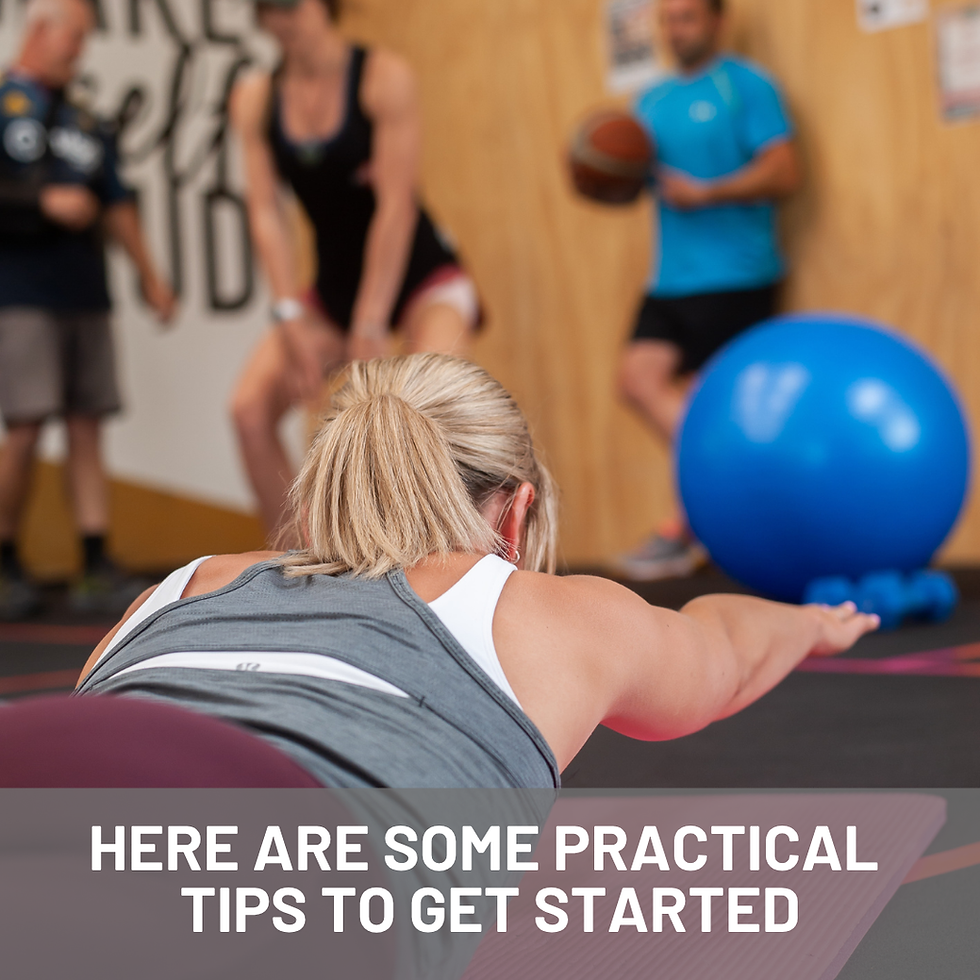
To harness these mechanisms, aim for a balanced exercise routine:
Aerobic: 30 minutes of moderate activity (e.g., swimming, cycling) most days.
Strength: 2–3 sessions of resistance training weekly (e.g., bodyweight exercises or
weights).
Flexibility/Mindfulness: Yoga or stretching to reduce stress and SNS activity.
Consistency: Start with manageable goals (e.g., 10-minute walks) and gradually
increase intensity/duration.
Always consult your doctor before starting, especially if you have existing hypertension or heart conditions. Monitor progress with a home blood pressure cuff to track improvements.
An improved “Heart Health” diet can also help reduce blood pressure:
Nitrates: Beets, spinach, and arugula provide nitrates, converted to NO for vasodilation. Research in *Hypertension* shows 250 mL of beetroot juice daily can lower blood pressure by 7 - 10 mmHg.
L - Arginine: Found in nuts, legumes, and poultry, it fuels NO production for flexible arteries.
Antioxidants: Berries, citrus, and dark chocolate neutralize reactive oxygen species (ROS), protecting NO and reducing inflammation.
Omega-3s: Fatty fish, flaxseeds, and walnuts enhance NO production and reduce vascular stiffness, per American Journal of Clinical Nutrition.
Low Sodium, High Potassium: Cutting sodium (processed foods) and boosting
potassium (bananas, avocados) balances fluids, easing artery pressure.
The (Dietary Approach to Stop Hypertension) DASH diet can lower blood pressure by 11 mmHg on average.
In Summary
Exercise and diet amplify each other’s benefits. Drinking beetroot juice before a workout
boosts NO production, enhancing exercise’s blood pressure - lowering effects. Antioxidants
and omega-3s protect NO, while exercise and weight loss from a balanced diet can reduce
blood pressure by 10 - 20 mmHg - rivalling some medications.
Take charge of your blood pressure to protect your heart, body and mind. Put simply I suggest you...
Move More: Walk briskly for 20 minutes, 5 days a week, or try a local dance class.
Eat Smart: Include leafy greens or beets daily and limit processed foods.
Track It: Monitor your blood pressure at home or with your doctor to see the results.
As always I'm here to help
Yours in good health
Shane